The Kerbside Glasshouse: A Considered Arrival at Britain’s Garden Shows
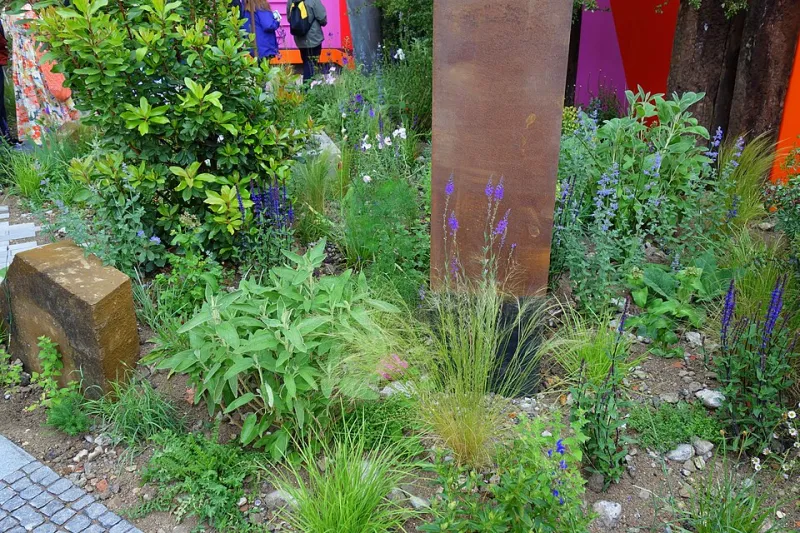
Photo: Daderot, CC0, via Wikimedia Commons
A day at a British garden show begins long before the first border is admired. It begins with the question of how one arrives: composed, unencumbered and with sufficient room for the inevitable parcel of hellebores, secateurs or a rather ambitious terracotta pot. For the discerning visitor, the car is not merely a means of reaching Chelsea, Hampton Court or Tatton. It is the quiet first room of the day, and the calm final one.
The Day Begins at the Kerb
Garden shows are, by their nature, crowded pleasures. The Royal Hospital Grounds in Chelsea, the palace courtyards at Hampton Court and the broad parkland at Tatton all attract visitors in numbers that make private car travel a matter of careful choreography. Arriving by chauffeur removes the familiar friction of circling for parking, reading temporary signage and carrying coats and catalogues across uneven ground. More importantly, it allows the day to start at the correct tempo.
For Chelsea, the prudent approach is early and deliberate. The surrounding streets are subject to extensive event management, and the difference between a graceful drop-off and a stressful one is often a matter of minutes and a pre-agreed plan. A chauffeur who knows the hospitality entrances and the approved approach routes can place guests close to their gate without intruding on the show’s pedestrian rhythm. At Hampton Court and Tatton, where the settings are more open but the traffic patterns no less particular, the same principle applies: the car should be waiting when it is needed, not circling when it is not.
Reading the Show’s Rhythms
The experienced garden-show visitor understands that the day has distinct movements. The first hour is for the show gardens, when the light is clear and the crowds are still finding their bearings. Midday belongs to the pavilions, the plant sales and the hospitality marquees. Late afternoon is for revisiting a favourite nursery or making a final, considered purchase. A chauffeur-led itinerary should respect these rhythms rather than impose a rigid timetable upon them.
This is where discreet communication proves its worth. A driver who remains nearby, reachable by message, can adjust the collection point as the day evolves. If a lunch engagement runs long, or a plant purchase requires an unscheduled return to the car, the arrangement absorbs the change without drama. For corporate hosts and private parties alike, that flexibility is not an indulgence. It is the difference between a day that feels curated and one that feels merely crowded.
Hospitality Entrances and the Discreet Arrival
Many of Britain’s leading garden shows offer hospitality packages with dedicated entrances and quieter reception areas. These are not merely privileges of access; they are practical advantages. A chauffeur briefed on the correct gate can deliver guests directly to the hospitality reception, where coats, catalogues and a glass of something restorative may be dealt with before the serious business of horticulture begins. The vehicle then withdraws to a pre-arranged holding point, ready for a mid-afternoon collection or an early departure should the weather turn.
Discretion matters here. The finest arrivals are rarely the most conspicuous. A well-presented car, a courteous driver and a clear understanding of the venue’s protocols will always feel more appropriate than a conspicuous kerbside performance. For international guests and corporate clients, this quiet competence is often the most lasting impression of the day.
When the Sky Changes Its Mind
British garden shows are acts of faith as much as horticultural displays. A warm morning can become a wet afternoon with little warning. The chauffeur-driven day should be built for that possibility. Umbrellas kept in the boot, a spare pair of shoes, a warmed cabin and a driver who understands that a delayed collection is preferable to a soaked guest: these are small provisions that preserve the pleasure of the occasion.
Wet weather also changes the shape of the visit. Pavilions become more attractive, plant sales more hurried and the car more welcome. A sensible plan allows for an earlier collection without losing the day’s sense of occasion. The return journey, with the heater on and the day’s acquisitions safely stowed, can be one of the most agreeable parts of the outing.
Bringing the Garden Home
Garden-show purchases present a particular logistical challenge. Plants are living things; they dislike being crushed, overheated or left to roll about in a boot. A chauffeur can prepare for this with boot liners, protective sheeting and a cabin kept at a sensible temperature. Tall perennials and small shrubs travel best upright, while tools, books and ceramics benefit from being secured rather than simply stacked.
For larger purchases, it is worth agreeing in advance whether the car can accommodate them or whether a delivery service is more appropriate. A good chauffeur will advise honestly. There is no elegance in forcing a mature specimen into a saloon car, and no shame in arranging for the nursery to send it on. The objective is not to prove the car’s capacity but to ensure that every purchase arrives home in the condition in which it left the stand.
A Measured Departure
The end of a garden show has its own weather system: tired visitors, closing pavilions and a general convergence on the exits. A chauffeur-led departure avoids the worst of it. With a collection point agreed in advance and a driver monitoring the show’s ebb and flow, guests can leave on their own terms rather than joining the final surge.
Worldwide Chauffeur Drive regards the garden show as a particularly British kind of luxury: horticulture enjoyed at a civilised pace, with good company and without the clutter of logistics. The car is not there to hurry the day along. It is there to hold the day together, from the first kerbside arrival to the last carefully stowed plant. In that sense, the drive is not an afterthought. It is part of the garden.