The Grass Is the Auditorium: A Composed Country House Opera Season in 2026
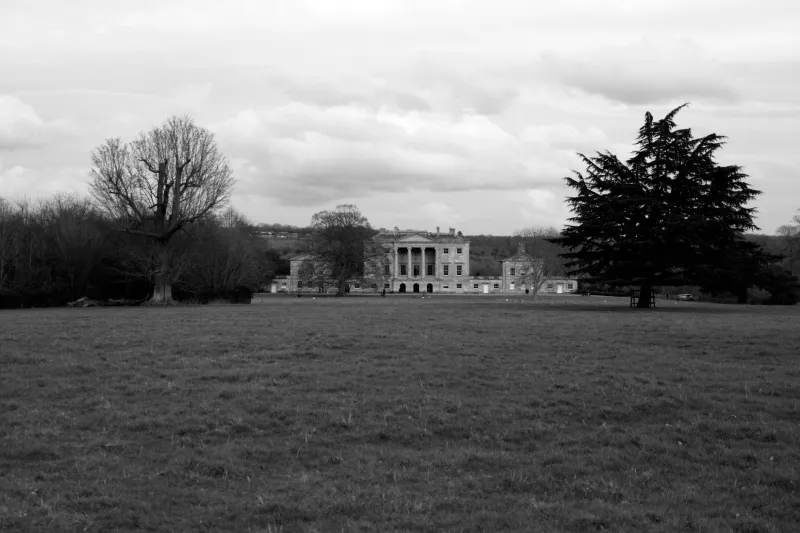
The 2026 country house opera season has drawn to a close, and the pattern of the evenings is familiar. A dinner jacket is pressed at home; a hamper is packed; a car arrives; a gate is negotiated; a lawn is crossed; a cloakroom ticket is issued; an interval stretches; a final act ends; a drive home begins. The performance is the reason for the evening, but the logistics decide whether it feels like an occasion or an obstacle course.
The Season, and the Shape of an Evening
The 2026 season followed its familiar pattern. Glyndebourne opened in East Sussex in late spring and ran into late summer. Garsington Opera returned to the Wormsley Estate in Buckinghamshire. Grange Park Opera took up residence at The Grange in Hampshire. Longborough Festival Opera, in the Cotswolds, offered its own intimate version of the form. Other houses, from Nevill Holt in Leicestershire to the Grange Festival, added to a calendar that rewards forward planning. Each venue publishes its own dress code, start time and interval length; those details for the next season should be confirmed directly with the venue before booking.
What they share is a shape: an early evening arrival, a long interval on a lawn, and a finish that can run towards midnight. That shape is not naturally suited to self-driving. It is, however, well suited to a chauffeur.
Black Tie, Changed at Home
Glyndebourne is the most formal of the British country house opera venues, and black tie remains the convention for many performances. Changing at home, in one's own bathroom, with proper light and a full-length mirror, is a different experience from changing in a car park or a service station. A chauffeur collects after the dressing is done, which means the first part of the evening is calm rather than compressed.
The same applies to the return. A cloakroom at the venue will take coats and wraps, but the car can carry a change of shoes, a light jacket for the lawn after sunset, and an umbrella that is not required to be elegant. The chauffeur can hold these items discreetly, or hand them over at the door. The point is not to carry more, but to carry less visibly.
The Hamper Has Its Own Timetable
The picnic is not a side note at Glyndebourne; it is part of the ritual. Hampers are packed at home, often with chilled wine, cold plates and a table setting. A chauffeur can transport the hamper flat and cool, unload it at the picnic site, and collect it after the performance. Some venues have rules about where picnics may be set up and when; those rules should be checked for each season.
Garsington and Grange Park are less prescriptive than Glyndebourne, but the same principle applies. A hamper that has been sitting in a warm car for three hours is not the same as one that has been kept properly. A chauffeur can also act as a weather contingency: if the lawn is wet, the car can hold the hamper while guests decide whether to picnic or eat indoors.
The Interval Is Longer Than You Think
The long interval is one of the pleasures of country house opera, and one of the reasons a chauffeur makes sense. At Glyndebourne the interval can run to around eighty-five minutes; other venues offer sixty to ninety minutes. That is ample time for a picnic, a walk, a glass of something, and a return to the auditorium. It is not ample time to move a car out of a crowded car park and back again.
A chauffeur does not need to be in the car park during the performance. The better arrangement is for the car to be on call, a short drive away, ready when the evening ends. This avoids the engine idling, the parking queue and the temptation to leave early to beat the traffic. It also means the driver can take a proper rest, which matters for the late return.
The Drive Home Is the Last Act
Country house opera finishes late. The lanes around Glyndebourne, Wormsley and The Grange are dark, narrow and sometimes crossed by deer. A guest who has been standing on a lawn for an hour, has had a glass of wine, and is tired from a long evening is not the ideal person to negotiate those lanes. A chauffeur is.
The return journey is also where flexibility matters. If the performance runs long, the car waits. If guests want to leave at the second interval, the car is ready. If the evening ends in a sudden downpour, the car is at the door. None of this requires drama; it requires a plan.
Venue Notes for the Season
Glyndebourne: the most formal; black tie for many performances; long interval; strict picnic arrangements. Garsington: Wormsley Estate; generally less formal; beautiful grounds; check dress code. Grange Park: The Grange, Hampshire; opera in a country house setting; confirm timings. Longborough: Cotswolds; intimate; less formal; a different scale of evening. Nevill Holt: Leicestershire; a modern country house opera with its own character.
Planning the Season
The practical advice for the next season is to book early. Country house opera has a short season and a loyal audience; cars, like tickets, are best secured well in advance. Consider an overnight stay nearby if the drive home is long, and let the chauffeur handle the transfer between hotel and venue. For those attending more than one performance, a single account can link the season: the same driver, the same standards, the same quiet arrival.
Worldwide Chauffeur Drive plans country house opera travel as a door-to-door service, with attention to timings, dress codes, hampers and the late return. The aim is simple: to let the evening be about the music, and the drive be about nothing at all.