An Hour Well Spent: Rethinking the Motorway Break on a Chauffeur Route
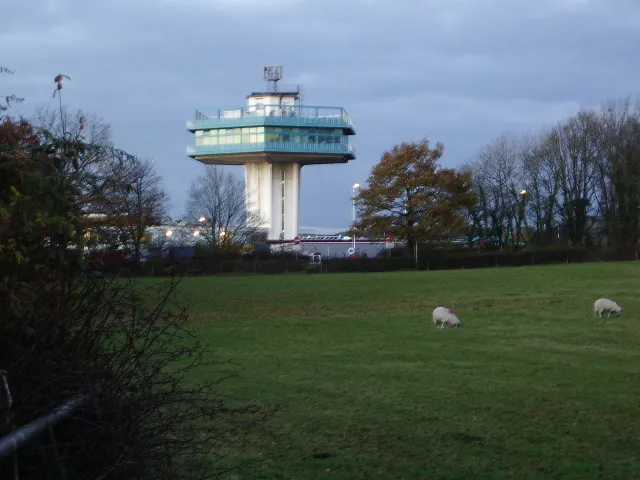
Photo: Alexander P Kapp, CC BY-SA 2.0, via Wikimedia Commons
A long drive is rarely improved by pretending that nobody needs to stop. The most composed journeys are not those that refuse a break, but those that choose it well. For the chauffeur, the motorway service area is not an admission of weakness in the itinerary. It is a controllable, predictable and often rather pleasant part of the day—provided the right one has been selected in advance.
In 2026, the gap between a conventional forecourt and a genuinely civilised pause remains wider than many travellers assume. The best stops offer calm parking, food that does not taste of obligation, coffee worth drinking and facilities that are managed with evident pride. They do not make a journey longer so much as make it feel shorter. The distinction is worth planning around.
The Case for Choosing the Pause
A chauffeur’s responsibility is not simply to move a passenger from one place to another. It is to manage the texture of the journey: its pace, its interruptions and the point at which fatigue or hunger begins to colour the conversation. A poorly chosen stop can undo an otherwise excellent morning. A well-chosen one can restore it.
The calculation is practical. Parking must be easy and secure, with sufficient space for larger vehicles and room to manoeuvre without theatre. Washrooms must be clean and sensibly laid out. Refreshments should be available quickly, but the seating should not feel like a concourse. For passengers travelling for pleasure, there is also the matter of atmosphere. A farm shop, a good bakery and a view of something other than a bin compound are not frivolities. They are the difference between a pause and a penance.
Three Stops That Justify the Planning
Tebay Services on the M6 in Cumbria remains the benchmark against which others are judged. Its reputation is deserved, but the practical point is more specific: it allows a northbound or southbound journey to include proper Cumbrian produce, a genuinely good meal and a sense of place without leaving the motorway corridor. For a passenger heading to the Lakes or Scotland, it is not a detour at all. It is the natural hinge of the day.
Gloucester Services on the M5 applies a similar philosophy in the south-west. The farm-shop food hall, the considered landscaping and the generally unhurried atmosphere make it a sensible stopping point for journeys into the Cotswolds, the West Country or south Wales. It is busy at predictable times, which is precisely why a chauffeur plans around them rather than arriving hopefully at midday on a summer Saturday.
Cairn Lodge on the M74 offers a quieter proposition for Scotland-bound travel. Its independent character and more restrained scale suit passengers who prefer not to have their rest break conducted in a crowd. For routes between the north of England and Glasgow or Edinburgh, it can be the more dignified choice—particularly when the day’s schedule allows a slightly later stop.
Parking, Privacy and the Passenger Who Does Not Want to Queue
The chauffeur’s advantage is not access to a secret door. It is foreknowledge. Knowing where to drop off, where to park and how long the walk to the main building will take removes the small uncertainties that make a stop feel longer than it is. A passenger who has been sitting for two hours should not then be asked to navigate a confusing one-way system on foot.
Discretion matters as well. Some travellers are content to browse a food hall; others wish to remain in the vehicle or take a short walk in the open air. A good stop supports both. The chauffeur can arrange a realistic rendezvous, keep luggage secure and ensure that the car is brought to a convenient point when the passenger is ready. This is not over-service. It is the ordinary discipline of a well-run day.
Building the Stop into the Day
The most effective motorway breaks are scheduled, not improvised. A journey from London to the Lake District, for example, may be better served by an early departure and a mid-morning stop at Tebay than by pressing on and arriving frayed. A West Country weekend may benefit from Gloucester as a late-morning pause, leaving the final hour to the quieter roads beyond the motorway.
Timing should account for the passenger’s preferences as much as the traffic. Some wish to eat properly; others want only coffee and fresh air. Some need a shorter stop; others regard the break as part of the pleasure of travel. The chauffeur’s task is to propose a rhythm that feels natural, then adjust it without fuss if the day changes.
When Not to Stop
There is no virtue in turning every journey into a tour of Britain’s better service stations. A short airport run needs no cultural interlude, and a late-night transfer is not improved by a farm shop that closed an hour earlier. The point is selectivity. One well-chosen pause is usually enough; two can be generous; three suggests that the route itself has become the destination.
For 2026, the sensible ambition is modest but meaningful: to treat the motorway break as part of the itinerary rather than an apology for it. A calm car, a considered stop and a passenger who arrives refreshed are not separate achievements. They are the same journey, properly arranged.