Curtain, Supper, Car: Designing a Frictionless West End Evening in 2026
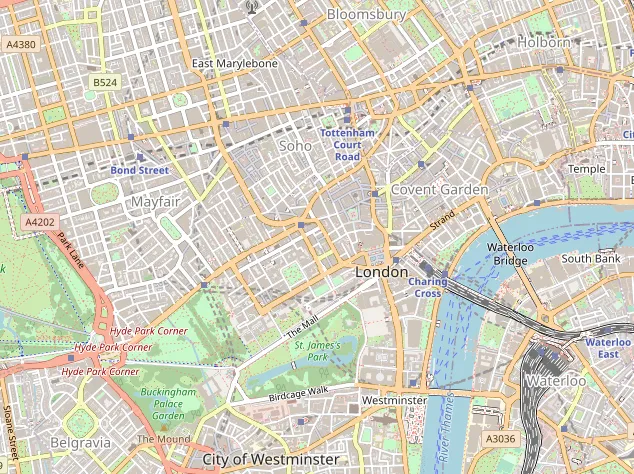
Photo: Jenny Wren 64, CC BY-SA 4.0, via Wikimedia Commons
A London theatre night should feel like an occasion from the moment the front door closes. Yet the pleasure is easily eroded by crowded platforms, uncertain taxi ranks and the small anxiety of wondering whether the last train will wait. For discerning theatregoers, the answer is not merely a smarter car but a better sequence: a chauffeur who understands the rhythm of the West End, a dinner reservation that respects the curtain, and a post-show plan that replaces the scrum with calm.
The Evening Begins Before the Engine Starts
The most polished theatre journeys are planned backwards. The curtain time is fixed, but everything around it should be flexible. A good chauffeur will ask two questions before discussing routes: where the evening will end, and how much time the party wishes to spend between the theatre and the table. The answers determine whether the car should wait nearby, return after the show or reposition for a later supper. In 2026, central London traffic still rewards anticipation rather than improvisation, and a little planning at the booking stage removes most of the friction later.
For a midweek performance, many parties prefer an early supper and a short walk to the theatre. For a Friday or Saturday evening, a late table after the curtain often feels more relaxed. Either way, the chauffeur should know the restaurant, the theatre and the likely finish time. This is not excessive detail; it is the difference between a car that appears precisely when needed and one that is circling while the audience spills onto the pavement.
Choosing a Show and a Supper That Fit the Clock
West End schedules vary considerably. A play may finish before ten, while a musical with a long second act can release its audience closer to half past ten. It is wise to check the running time rather than assume it, and to allow ten to fifteen minutes for coats, cloakrooms and the slow movement of a full auditorium. A late dinner reservation should be made with that human interval in mind. A table booked too tightly turns the post-show mood into a relay race; a table booked too loosely leaves an awkward gap.
The restaurant should also suit the transport plan. A venue in Covent Garden, Soho or St James's may be only a few minutes from the theatre, but those minutes matter when the streets are busy. A chauffeur can advise on the most practical approach and identify a quieter side street for collection. Guests should not be asked to walk far in evening dress, nor should they be left waiting in a crowd while the car inches along a coned-off road.
The Theatreland Drop-Off
Theatreland is not designed for lingering. On Shaftesbury Avenue, Charing Cross Road and the lanes around Covent Garden, a considerate chauffeur will agree the drop-off in advance and keep it brief. The aim is to place guests close to the entrance without blocking traffic or creating a scene. In practice, this may mean using a nearby cross street and a short, level walk rather than attempting an impossible stop directly outside the doors.
Guests can help by travelling light. A large bag or a cumbersome coat is an unnecessary burden in a crowded foyer. If the evening includes a meal before the show, the chauffeur can drop the party at the restaurant first and then reposition closer to the theatre for the final approach. This small choreography preserves the sense of arrival and avoids the indignity of a hurried scramble across packed pavements.
When the Curtain Falls
The final curtain is where many otherwise excellent evenings unravel. The pavement fills, taxi apps surge, and the nearest Underground station becomes a test of patience. A pre-arranged chauffeur changes the ending entirely. The driver should be given a clear meeting point, ideally one street back from the main entrance and away from the densest crowd. Guests should be told exactly where to go and, if possible, given a contact number or a simple landmark.
Patience is part of the service. A show may finish a few minutes early or late, and a driver who understands the theatre district will not expect precision to the minute. The car should be positioned to collect without drama, with the heating or air conditioning set for the season. On a cold November evening, that warmth is a quiet luxury; on a warm summer night, a cool, quiet cabin is equally welcome.
The Late Table and the Calm Return
A post-theatre supper should feel like a continuation of the evening, not a separate expedition. The restaurant may be close enough to walk, in which case the chauffeur can simply meet the party afterwards. If the table is farther afield, the car can wait or return at an agreed time. The important point is that no one has to calculate the cost of waiting, the likelihood of finding another taxi or the risk of missing the last train.
For guests staying in a London hotel, the return journey is brief but valuable. For those travelling home to Surrey, Kent or the Home Counties, the chauffeur turns a late night into a comfortable one. The city recedes, the conversation continues, and the evening ends at the front door rather than on a platform.
A Note on Winter Evenings
From November onwards, London theatre nights have a particular appeal: bright foyers, long coats, and the pleasant contrast between the cold street and the warm car. They also demand a little more care. Rain slows traffic, and wet pavements make a distant drop-off less appealing. A chauffeur who knows the theatre district can adjust the plan without fuss, choosing a drier collection point or allowing extra minutes for the journey.
Worldwide Chauffeur Drive treats the theatre night as a single journey rather than a series of separate transfers. The result is not simply a car at the end of the show, but an evening that keeps its shape from the first pickup to the final goodnight. In 2026, that continuity is the real luxury: the show, the supper and the city, enjoyed without the usual friction.